Gingerbread House Clipart: Festive Illustrations
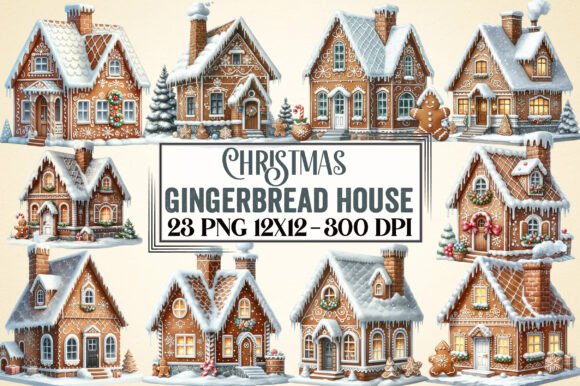
As a digital publisher who has spent over a decade refining the visual identity of lifestyle and editorial blogs, I have learned that the difference between a bounce and a conversion often comes down to split-second visual recognition. When I first opened the files for Gingerbread House Clipart, Christmas Png, my immediate reaction was one of relief. In an era where stock imagery can feel sterile or overly generic, these assets bring a handcrafted warmth that is difficult to replicate with standard photography. For bloggers, content creators, and small business owners preparing their Q4 content strategy, this graphic design asset offers a distinct advantage: it feels authentic, cozy, and inviting.
The editorial mood created by these illustrations is distinctly seasonal yet versatile. They do not scream "hard sell"; instead, they whisper "holiday comfort." This subtle psychological cue is vital for building reader trust. When a visitor lands on a page featuring high-quality, thematic visuals, their perception of the content’s value increases. Whether you are running a food blog, a parenting site, or an affiliate marketing platform focused on home decor, these images support a narrative of tradition and joy. They are playful without being childish, making them suitable for a wide demographic, from young families to mature audiences seeking nostalgic holiday inspiration.
Integrating Assets into Real Publishing Workflows
The true test of any digital download is its utility in a live publishing environment. I tested these files across several common workflows, starting with blog featured images. The transparency of the PNG format is a significant benefit here. It allows for seamless layering over textured backgrounds or solid brand colors without the awkward white boxes that plague lower-quality clipart. For a recent article on "Top 10 Holiday Baking Tips," I placed the gingerbread house illustration beside a bold serif headline. The result was a balanced composition that guided the eye naturally from the title to the visual anchor, improving the overall visual hierarchy of the post.
Beyond standard blog graphics, these assets shine in social media graphics, particularly for Pinterest. As any experienced marketer knows, Pinterest is a visual search engine where vertical real estate is king. I used the clipart to create custom pins for a digital guide on holiday entertaining. By combining the illustration with a clean sans serif font and a soft pastel background, I created a pin that stood out in a crowded feed. The detailed lines of the gingerbread house held up well even when scaled down for mobile previews, a critical factor for click-through potential. This versatility makes the asset invaluable for content marketing campaigns where consistency across platforms is key to brand identity.
Enhancing Digital Products and Lead Magnets
For those of us who monetize through digital products, the quality of our design assets directly impacts perceived value. I incorporated these illustrations into a printable design checklist offered as a lead magnet. The whimsical nature of the gingerbread house added a layer of charm that made the freebie feel like a gift rather than a transaction. This approach works equally well for eBook covers, worksheet headers, and newsletter banners. When subscribers open an email decorated with cohesive, high-quality illustrations, engagement rates tend to rise because the content feels curated and professional.
Furthermore, these elements are perfect for building Canva templates for clients or personal use. By pre-loading these graphics into template libraries, designers can offer small business branding packages that are ready for the holiday rush. The ease of customization means that even non-designers can create polished media kits or affiliate content visuals that look like they were produced by a professional studio. This democratization of design is essential for modern web design, where speed and aesthetics must coexist.
Strategic Placement and Visual Performance
Understanding where to place these illustrations is just as important as knowing how to use them. They work best as hero images on category pages dedicated to recipes, DIY crafts, or holiday guides. In these contexts, they act as signposts, helping users navigate the site intuitively. They also serve as excellent editorial accents within long-form content, breaking up text blocks and maintaining reader interest. However, caution is required when using them in text-heavy blog images. If the illustration is too complex or placed too close to small body text, it can reduce readability. Always check contrast and ensure there is sufficient negative space around the graphic.
Another consideration is the tone of your niche. While these illustrations are perfect for lifestyle, food, and family-oriented content, they may not suit serious professional niches such as corporate finance or legal advice. In those contexts, the playful nature of the gingerbread house might undermine the authority of the content. Similarly, on websites that adhere to a strict minimal visual system, these decorative elements should be used sparingly to avoid clutter. The goal is to enhance the user experience, not distract from the core message.
Technical Considerations for Web Performance
From a technical standpoint, web performance is non-negotiable. Large image files can slow down page load times, negatively impacting SEO and user experience. Before uploading these assets to any website header or article body, I recommend compressing the PNG files using tools like TinyPNG or ImageOptim. This reduces file size without compromising visual quality. Additionally, always test how the images appear on different devices. What looks crisp on a desktop monitor may appear pixelated or lost on a mobile screen. Previewing your layout on multiple devices ensures that your visual hierarchy remains intact regardless of the user’s platform.
Typography pairing is another crucial element. I experimented with various font styles alongside the clipart. Serif fonts added a classic, storybook feel, while handwritten fonts enhanced the personal, DIY aesthetic. Display fonts worked well for short, punchy headlines but overwhelmed the delicate details of the illustration when used for longer text. By testing these combinations, you can find the perfect balance that aligns with your brand voice. Remember to confirm commercial licensing before using these assets on monetized websites, affiliate pages, or paid content products. Most reputable creative marketplaces provide clear terms, but verifying this step protects your business from legal issues.
In conclusion, Gingerbread House Clipart, Christmas Png is more than just a seasonal decoration; it is a strategic tool for enhancing digital communication. When used thoughtfully, it strengthens brand identity, improves reader engagement, and adds a layer of professional polish to your content. Whether you are designing a Pinterest pin, crafting a newsletter, or building a comprehensive digital guide, these illustrations offer the flexibility and quality needed to succeed in today’s competitive online landscape. By integrating them into your workflow with attention to detail and technical best practices, you can create content that not only looks beautiful but also performs effectively.