Vintage Old Christmas Sublimation Bundle Review
As a designer who has spent countless hours digitizing and testing machine embroidery design files, I approach every new asset with a mix of curiosity and skepticism. We have all been there: downloading a bundle that looks stunning on a screen but turns into a tangled mess of thread breaks and puckering once it hits the fabric. Recently, I took a close look at the Vintage Old Christmas Sublimation Bundle. While the title suggests sublimation, my focus here is strictly on how these graphics translate into tangible, stitched realities for crafters and small business owners.
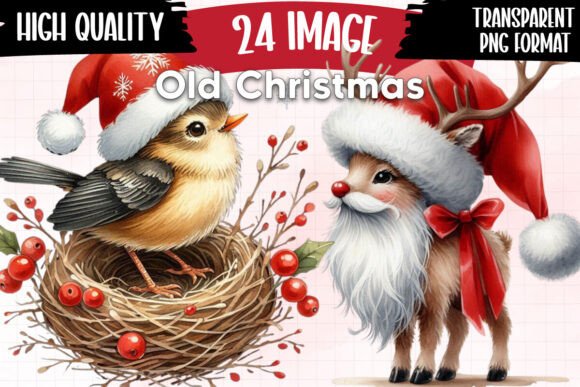
The first impression of this collection is its atmospheric depth. These are not your standard, clip-art style holiday icons. The Illustrations within the bundle carry a weathered, nostalgic weight. There is a deliberate imperfection in the lines and textures that mimics aged paper or faded ink. For an embroidery designer, this presents both a challenge and an opportunity. The mood is warm, traditional, and deeply comforting, making it an ideal candidate for high-end holiday merchandise. However, translating that "vintage" aesthetic into thread requires careful planning regarding stitch types and density.
Translating Vintage Aesthetics to Stitch
When evaluating a design for real-world application, I always start by visualizing the final finished product. I recently used elements inspired by this aesthetic to create a custom embroidered tote bag for a local boutique. The goal was to achieve a look that felt heirloom-quality rather than mass-produced. The complex textures found in vintage-style graphics often rely on subtle shading. In embroidery, we cannot simply print shadows; we must build them using fill stitch variations and thread color blending.
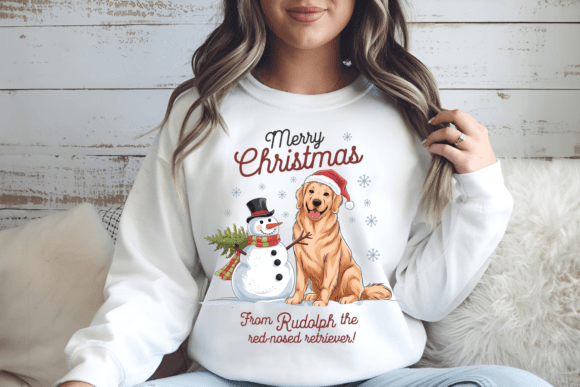
The layout of these designs typically features central motifs surrounded by decorative borders or typography. For a project like a sweatshirt, this works beautifully if the scale is adjusted correctly. I found that the intricate details of the Vintage Old Christmas Sublimation Bundle require a balanced approach to stitch density. If the density is too high, the fabric will pucker, especially on softer materials like cotton blends used in holiday apparel. If it is too low, the underlying fabric might show through, breaking the illusion of the solid, vintage graphic.
Real-World Application and Product Fit
Where does this bundle truly shine? In my experience, these designs are best suited for items that have a flat, stable surface area. A tote bag design is perhaps the most natural fit. The sturdy canvas provides the necessary support for detailed stitching, allowing the thread colors to pop without distortion. I also see significant potential for sweatshirt embroidery. The cozy, nostalgic feel of the graphics aligns perfectly with the comfort of a fleece hoodie or crewneck.
For Etsy sellers and craft business owners, versatility is key. These assets can be adapted for various embroidery project types. Consider kitchen towels or aprons. The vintage theme complements the domestic, handmade vibe of these items. However, one must be cautious with baby embroidery. While the designs are charming, the level of detail might be too dense for delicate baby fabrics. In such cases, simplifying the design or using an applique design technique where fabric pieces cover large areas can reduce bulk and improve comfort against sensitive skin.
Another excellent application is the embroidered patch. Patches allow you to stitch the design on a stable backing before applying it to curved or difficult surfaces like caps and hats. This bypasses many of the stabilization issues associated with direct-to-garment embroidery on structured items. It also adds a layer of professionalism to your small shop product lineup, as patches are perceived as high-value accessories.
Navigating Technical Challenges
Let us discuss where caution is required. The Vintage Old Christmas Sublimation Bundle relies heavily on visual texture. In digital formats, this is easy to render. In embroidery, texture is created through stitch direction and type. Tiny details and thin lines can easily get lost or break during stitching if they are not properly reinforced. I recommend avoiding these designs on highly textured fabrics like heavy wool or loose-weave linens unless you use a strong cut-away stabilizer.
Dark fabrics present another hurdle. Vintage designs often utilize muted, earthy tones. If you are stitching on black or navy fabric, you must ensure your thread colors have enough contrast. A dark brown thread on black fabric will disappear. In these instances, consider adding a light-colored underlay or choosing a lighter fabric background to let the design breathe. Additionally, be mindful of hoop size. Many of these illustrations are wide. Ensure your machine’s hoop can accommodate the full width without requiring re-hooping, which can lead to alignment errors.
Curved surfaces, such as caps, require extra attention. The detailed corners and intricate linework in vintage graphics can distort on curved planes. If you are creating custom apparel for clients, always run a test stitch-out on a similar scrap fabric. This allows you to check for pull compensation and adjust tension settings before committing to the final garment.
Enhancing Brand Value and Customer Trust
From a business perspective, the quality of your digital embroidery file directly impacts your brand perception. Using well-thought-out designs like those in this bundle signals to customers that you care about aesthetics and quality. It elevates a simple personalized gift into a keepsake. When a customer receives a holiday embroidery item that looks crisp, balanced, and professionally finished, they are more likely to leave positive reviews and return for future purchases.
Consistency is crucial for commercial embroidery projects. If you are producing batches of items for corporate gifts or boutique branding, ensure that the design scales well across different sizes. A design that looks great on a large pillow cover might look cluttered on a small pocket. Use printable mockup tools to visualize the scale before stitching. This step saves time and materials, ensuring that every handmade product meets your standards.
Practical Designer Notes for Success
To get the most out of the Vintage Old Christmas Sublimation Bundle, follow these practical steps:
- Test on Scrap Fabric: Always stitch a sample on the same type of fabric you plan to use for the final product. This reveals issues with tension and density.
- Check Thread Contrast: Lay your physical threads against the fabric before stitching. Digital screens can misrepresent color values.
- Review Stitch Density: If the design feels too stiff after stitching, reduce the density in your editing software or choose a lighter stabilizer.
- Confirm Hoop Size: Measure the design dimensions against your available hoops to avoid awkward placement or re-hooping.
- Inspect Small Details: Zoom in on the design file. Look for tiny running stitches that may need to be converted to satin stitches for better durability.
- Verify Licensing: Before selling any finished product or using the assets in commercial listings, confirm the license terms provided with the bundle. Ensure you have the right to use the graphics for physical goods.
In conclusion, the Vintage Old Christmas Sublimation Bundle offers a rich source of inspiration for designers willing to put in the technical legwork. It is not a plug-and-play solution for every fabric or machine, but with proper adjustment and thoughtful application, it can produce stunning, high-value design assets. Whether you are creating a tea towel for a holiday market or a bespoke pillow cover for a client, these illustrations provide the nostalgic charm that resonates deeply with buyers. Treat the design with respect, understand your materials, and the results will speak for themselves.