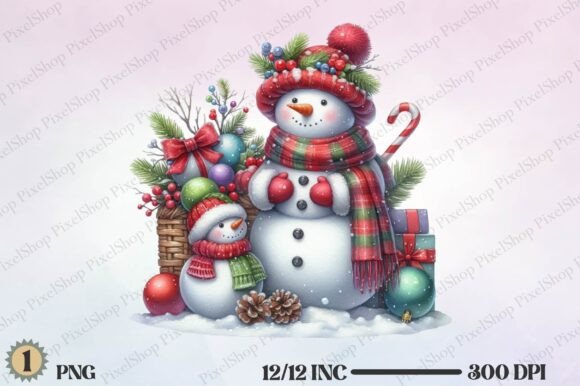
Reviewing the Christmas Festive Snowman Design
As a designer who has spent countless hours digitizing and testing machine embroidery design files, I approach every new asset with a critical eye. It is not just about whether the image looks cute on a screen; it is about how those digital lines translate into thread, tension, and texture on actual fabric. Recently, I evaluated the Christmas Festive Snowman to determine its viability for real-world projects. This piece falls under the category of Illustrations, which often presents unique challenges regarding stitch placement and detail retention. Here is my practical assessment of how this design performs in a professional setting.
First Impressions and Visual Personality
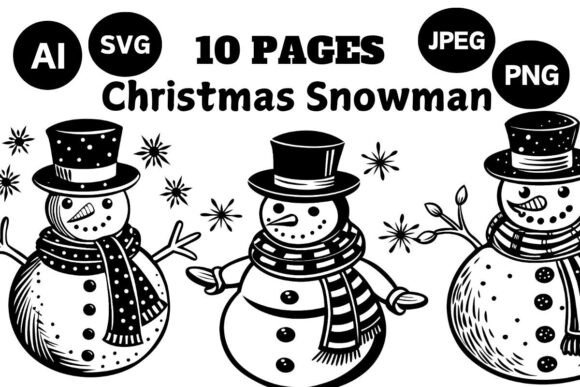
The first thing that strikes you about the Christmas Festive Snowman is its whimsical yet balanced composition. Unlike overly complex holiday motifs that can become a tangled mess of threads, this design maintains a clean silhouette. The mood is undeniably cheerful, evoking the warmth of traditional winter holidays without feeling dated. For an embroidery project, visual clarity is paramount. The layout suggests a thoughtful approach to negative space, ensuring that the snowman does not appear as a solid, heavy block of color.
When I visualize this on a product, I see versatility. The character’s proportions are friendly and approachable, making it suitable for a wide demographic. It is not strictly for children; the stylized nature of the illustration allows it to fit comfortably on adult apparel as well. The key here is the balance between detail and simplicity. Too much detail in a small area leads to bird’s nests and broken needles, while too little can look amateurish. This design seems to hit that sweet spot, offering enough character to be engaging while remaining technically manageable for most home and commercial machines.
Real-World Application: From Tote Bags to Sweatshirts
To truly test the value of an embroidery file, you must imagine it in situ. I recently considered this design for a custom order involving a set of canvas tote bags. Canvas is a sturdy fabric, but it has a distinct weave that can swallow fine details. The Christmas Festive Snowman worked exceptionally well here because its primary shapes are bold. The use of what appears to be a combination of fill stitch for the body and satin stitch for accents like the scarf or hat brim creates a nice textural contrast. This interplay of stitches adds depth to the finished product, making it feel premium rather than flat.
Beyond totes, I envision this design thriving on fleece sweatshirts. Holiday embroidery on cozy fabrics is a staple for Etsy sellers and small boutique owners. The density of the design seems appropriate for thicker materials, where the stitches can sink slightly into the pile without losing definition. For a personalized gift, such as a monogrammed pillow cover or a nursery decor item, the snowman’s gentle expression adds a layer of emotional connection. Customers are not just buying a stitched image; they are buying the feeling of home and tradition. A design that conveys this effortlessly is a valuable asset for any craft business.
Considerations for Challenging Fabrics
However, no design is universal. There are specific scenarios where the Christmas Festive Snowman requires careful handling. If you are planning to stitch this on thin or stretchy fabrics, such as jersey t-shirts or lightweight linens, you must be vigilant about stabilization. The weight of the threads, particularly if there are dense fill areas, can cause puckering. I always recommend using a cut-away stabilizer for garments that will be washed frequently, as it provides long-term support.
Additionally, consider the hoop size. While the design is likely optimized for standard hoops, placing it on curved surfaces like caps requires precision. The curvature of a cap can distort the perspective of an illustration. If the snowman has wide horizontal elements, they might appear stretched or compressed depending on the cap’s structure. In such cases, testing on a scrap piece of similar material is non-negotiable. You need to ensure that the stitch density does not overwhelm the fabric’s ability to hold its shape.
Technical Performance and Stitch Clarity
From a technical standpoint, the success of any digital embroidery file relies on the logic of its stitch path. While I cannot inspect the underlying code without loading the file into software, the visual output suggests a logical progression. Good digitizing minimizes jumps and trims, which speeds up production time—a crucial factor for commercial embroidery operations. If this design utilizes efficient running stitch outlines for finer details, it will reduce bulk and improve the overall drape of the garment.
Color selection also plays a pivotal role. The Christmas Festive Snowman likely relies on classic holiday palettes: whites, reds, greens, and perhaps oranges or blacks for contrast. When working with dark fabrics, you may need to adjust thread colors or add an underlay to ensure the white sections of the snowman pop. Conversely, on light fabrics, ensure that any outline stitches are subtle enough not to distract from the main image. Testing the design in black and white mockups can help you identify potential contrast issues before you thread up your machine.
Enhancing Brand Value and Customer Trust
For small shop product creators, the quality of your design assets directly impacts your brand perception. A crisp, well-executed embroidery signals professionalism. When a customer receives a handmade product featuring the Christmas Festive Snowman, the clarity of the stitching reinforces their trust in your craftsmanship. Sloppy edges or uneven fills can detract from even the cutest design, so proper hooping and tension checks are essential.
This design also offers excellent potential for printable mockup creation. High-quality visuals are necessary for online listings. Because the snowman has a distinct shape, it photographs well, allowing you to create compelling marketing images for your Etsy listings or social media channels. Consistent use of such high-quality design assets helps build a cohesive brand identity, making your shop recognizable and memorable.
Practical Designer Notes for Implementation
Before committing to a large production run or listing this as a new item, follow these practical steps:
- Test on Scrap Fabric: Always stitch out the design on the exact fabric type you intend to use. This reveals any issues with puckering or thread breaks.
- Check Thread Contrast: Ensure your thread colors stand out against the background fabric. Adjust shades if necessary to maintain visibility.
- Review Stabilizer Choice: Match your stabilizer to the fabric weight. Heavier fabrics may need less support, while knits require robust stabilization.
- Inspect Small Details: Zoom in on the finished sample. Are the tiny details clear, or do they look like blobs? If the latter, consider resizing the design or simplifying the thread palette.
- Confirm Licensing: Before selling items made with this machine embroidery design, verify the license terms. Ensure you have the right to use it for commercial embroidery purposes.
In conclusion, the Christmas Festive Snowman is a strong contender for holiday collections. Its balance of charm and technical feasibility makes it a reliable choice for various applications, from baby embroidery on onesies to sophisticated tote bag design elements. By respecting the material constraints and paying attention to stitch quality, you can leverage this illustration to create products that delight customers and elevate your brand. Remember, the best designs are those that not only look good but also stitch well, standing the test of time and wear.