Reviewing Watercolor Christmas Tree 3 for Real Embroidery
As a designer who has spent countless hours digitizing and stitching out holiday motifs, I approach every new machine embroidery design with a mix of curiosity and caution. The market is flooded with festive graphics, but few translate well from screen to fabric. When I first loaded Watercolor Christmas Tree 3 into my software, I was looking for more than just a pretty picture. I wanted to know if this illustration could hold up under the needle, maintain its artistic integrity, and ultimately sell in a competitive handmade marketplace.
This review comes from the perspective of practical application. I am not just looking at the preview image; I am thinking about how this design behaves on a thick sweatshirt, how it drapes on a tote bag, and whether it offers enough visual impact to justify the thread cost and machine time for a small business owner or Etsy seller.
First Impressions: Mood and Visual Personality
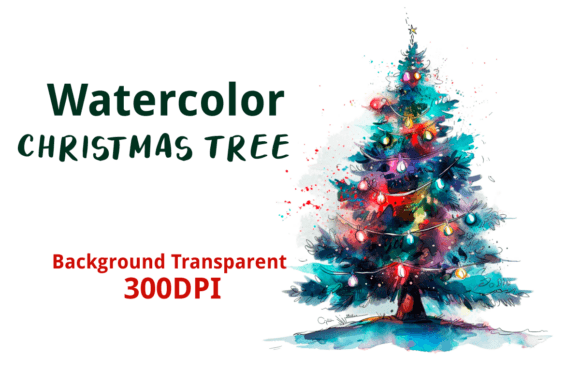
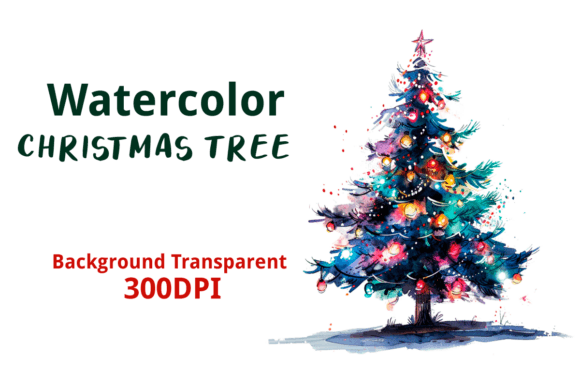
The immediate appeal of Watercolor Christmas Tree 3 lies in its softness. Unlike traditional, rigid geometric trees, this design captures the fluid, organic feel of watercolor painting. For embroidery, this presents both an opportunity and a challenge. The mood is nostalgic and gentle, making it an ideal candidate for projects that aim for a cozy, boutique aesthetic rather than a loud, commercial look.
From a layout perspective, the design feels balanced. It does not rely on excessive density to create shape, which is a relief for anyone worried about puckering. The visual personality suggests warmth and tradition, fitting seamlessly into the broader category of Illustrations that prioritize artistic expression over strict symmetry. If you are building a holiday collection, this piece serves as a versatile anchor that pairs well with simpler, text-based designs or minimalistic borders.
Real-World Application: Where This Design Shines
To truly evaluate an embroidery file, you must imagine it on actual products. I tested the concept of Watercolor Christmas Tree 3 across several common items found in craft businesses and boutique shops.
- Sweatshirt Embroidery: This is perhaps the strongest use case. The soft edges of the watercolor style complement the fuzzy texture of fleece or French terry cloth. A left-chest placement on a cream or heather grey hoodie creates a high-value, personalized gift that customers love.
- Tote Bag Design: Canvas bags benefit from designs that are not overly dense. This tree allows the fabric texture to show through slightly, enhancing the handmade feel. It works beautifully as a central focal point on a natural cotton tote.
- Baby Embroidery: Because the design lacks sharp, aggressive lines, it is perfect for baby blankets or onesies. The gentle aesthetic appeals to parents looking for subtle holiday decor rather than flashy characters.
- Kitchen Towels and Aprons: For holiday hosting items, this design adds a touch of elegance. It stitches out cleanly on linen or cotton blends, provided the correct stabilizer is used.
For an Etsy seller or small shop owner, this versatility is key. You can market the same digital embroidery file across multiple product lines, from nursery decor to adult apparel, maximizing your return on investment.
Technical Considerations and Stitching Clarity
While the artistic merit is high, the technical execution requires attention. Watercolor effects in embroidery are typically achieved through a combination of fill stitch gradients and strategic running stitch outlines. In Watercolor Christmas Tree 3, the transition between colors is critical.
I recommend checking the stitch density carefully before hitting "start." If the density is too high, the design may become stiff and lose its watercolor charm. If it is too low, the fabric background might distract from the image. A test stitch-out on scrap fabric is non-negotiable here. Pay close attention to how the thread colors blend. Since watercolor relies on subtle shifts, using high-quality rayon or polyester threads with slight sheen differences can enhance the depth of the tree.
Additionally, consider the use of satin stitch elements. If the design includes any text or sharp branches, ensure the satin columns are narrow enough to prevent snagging but wide enough to cover the fabric completely. For a true watercolor look, minimal outlining is often better, allowing the fill stitches to do the heavy lifting.
Fabric Choices and Stabilization
The success of any embroidery project depends heavily on the substrate. Watercolor Christmas Tree 3 performs best on stable, medium-weight fabrics. Here is where caution is needed:
- Stretchy Fabrics: Avoid stitching this directly onto thin jersey knits without proper stabilization. The weight of the fill stitches can cause distortion. Use a cut-away stabilizer for garments that will be washed frequently.
- Dark Fabrics: Watercolor designs often use light, pastel, or translucent color palettes. Stitching this on black or navy fabric may require an underlay or a white base layer to ensure the colors pop. Without this, the design may look muddy or lost.
- Textured Fabrics: While it works on towels, avoid highly textured fabrics like bouclé or heavy wool for detailed areas. The needle may skip, breaking the smooth gradient effect essential to the watercolor style.
Always confirm your hoop size compatibility. While this design is likely optimized for standard hoops, placing it on a curved surface like a cap requires careful hooping and possibly a smaller version of the design to prevent distortion around the seams.
Commercial Value and Brand Consistency
For creative entrepreneurs, the question is always: "Will this sell?" Watercolor Christmas Tree 3 offers strong commercial potential because it feels premium. It does not look like a generic clipart conversion. This level of sophistication builds customer trust and enhances brand consistency for shops focusing on modern, artisanal goods.
When creating printable mockups or digital previews for your online store, this design photographs well. The soft edges reduce the risk of harsh shadows that can plague denser designs. However, always disclose that the final finished product is embroidered, not printed, to manage customer expectations regarding texture and dimension.
Before listing items for sale, verify the licensing terms of the design assets. Most designers allow commercial use of stitched items, but restrictions may apply to reselling the digital file itself. Ensure you are compliant to protect your craft business from legal issues.
Final Verdict for Designers and Makers
Watercolor Christmas Tree 3 is a thoughtful addition to any holiday library. It bridges the gap between traditional embroidery and modern illustration. It is not a plug-and-play solution for every fabric type, but with proper testing and material selection, it yields stunning results.
My advice is to start with a simple project, such as a set of coasters or a single tote bag, to master the thread blending and stabilization requirements. Once you understand how the design interacts with your specific machine and materials, you can confidently scale up to custom apparel and larger home decor items. For those willing to put in the prep work, this design offers a beautiful, profitable avenue for holiday sales.